
In New Jersey, both debt collectors and debtors have rights under federal laws like the Fair Debt Collection Practices Act (FDCPA) and state regulations. Debt collector Attorneys in New Jersey advise collectors to avoid harassment, threats, and false statements. Debtors should maintain records, dispute debts if needed, and consult legal counsel for violations. Proactive communication with debt collector attorneys helps prevent abusive practices and ensures rights are respected. Legal repercussions exist under the FDCPA and New Jersey's Collection Agency Act for misleading or harassing consumers.
Navigating the complex landscape of debt collection laws can be a challenging task for both consumers and businesses alike, especially in the state of New Jersey. The tactics employed by debt collectors, including legal threats, have come under increased scrutiny, highlighting the need for clarity and protection. This article delves into the intricate world of debt collector legal threats in New Jersey, providing an authoritative guide to understanding your rights and options. By exploring recent developments and legal precedents, we aim to empower individuals with knowledge, ensuring they are equipped to face these challenges effectively, with the guidance of a seasoned debt collector attorney New Jersey residents can trust.
Understanding Debt Collector Legal Rights in New Jersey

In New Jersey, debt collectors operate within a stringent legal framework designed to protect consumers from aggressive or unlawful collection practices. Understanding the rights of debt collectors is as crucial as knowing the protections afforded to individuals who owe debts. According to the Fair Debt Collection Practices Act (FDCPA), debt collectors must adhere to specific rules when attempting to collect on outstanding debts, including restrictions on communication methods, the frequency of contact, and the veracity of information shared with debtors.
New Jersey law further reinforces these federal regulations with its own set of collection practices laws. Debt collector Attorney New Jersey experts emphasize that collectors cannot harass, threaten, or use false statements when pursuing payment. They must also provide accurate validation of the debt upon request and cease communication if a debtor asserts that they do not owe the amount being demanded. For instance, a recent case highlighted the importance of these provisions when a debt collector was found liable for violating a consumer's rights by using intimidating language and failing to verify the debt accurately.
Practical advice for both debtors and creditors involves maintaining detailed records of all communications with collection agencies. Debtors should document dates, times, and content of conversations, including any threats or aggressive behavior. This evidence can be invaluable if legal action becomes necessary. For their part, legitimate debt collectors in New Jersey should stay informed about the latest legislative changes and best practices to ensure compliance. Regular reviews by a debt collector Attorney New Jersey can help organizations navigate this complex area, ensuring they maintain fair and ethical collection practices while protecting their business interests.
When Debt Collectors Cross Legal Boundaries
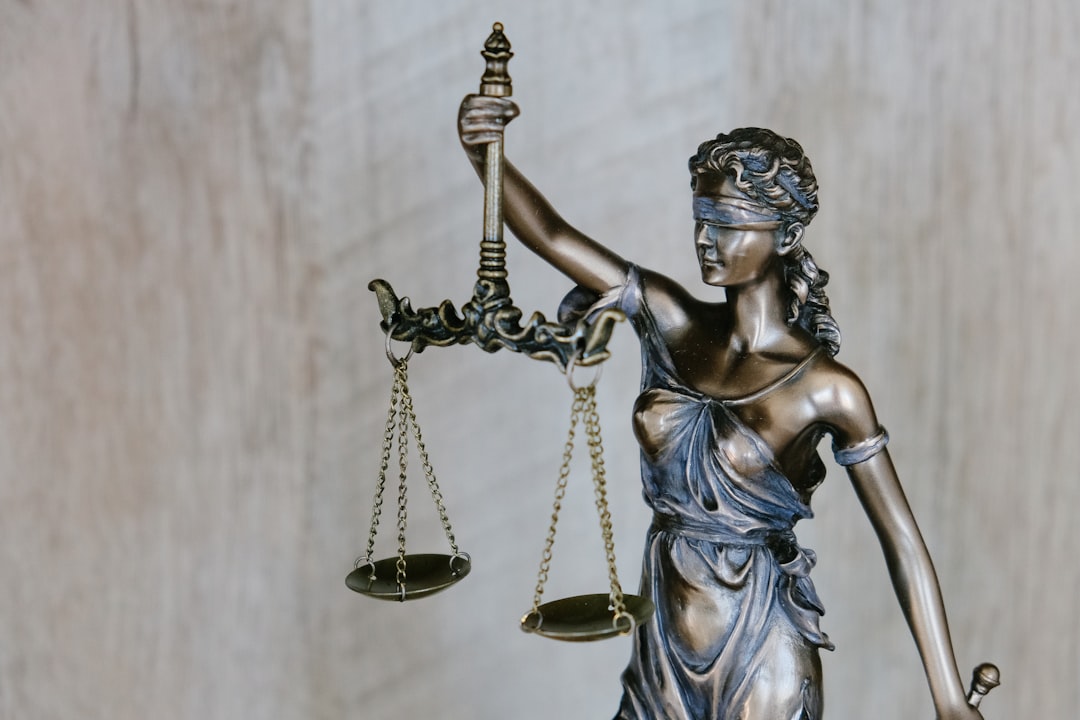
In New Jersey, debt collection practices are heavily regulated to protect consumers from aggressive or illegal tactics. When debt collectors cross legal boundaries, it can have severe consequences for both individuals and businesses. One of the primary issues is the misuse of legal threats, which can include false representations of the law, exaggerated or fabricated claims, and intimidation tactics aimed at pressuring debtors into immediate payment. For instance, a recent report by the New Jersey Attorney General's Office highlighted numerous complaints against debt collectors for engaging in unfair and deceptive practices, including making false promises about the consequences of non-payment.
A debt collector attorney in New Jersey plays a crucial role in ensuring these boundaries are not only understood but respected. Legal experts in this field help debtors navigate their rights while guiding creditors on compliant collection methods. For example, the Fair Debt Collection Practices Act (FDCPA) prohibits collectors from using abusive language, making false statements, or engaging in harassment. A qualified attorney can advise both parties on the nuances of this act, ensuring debt collection processes remain within legal confines. By understanding their rights and obligations, debtors can protect themselves from illegal threats and take appropriate action if violated.
Practical insights for consumers facing such issues include maintaining detailed records of all communications with collectors and seeking immediate legal counsel if they suspect a violation. Documentation is key in these situations as it provides evidence to support any claims of unlawful behavior. Moreover, being proactive by consulting with a debt collector attorney in New Jersey can prevent misunderstandings from escalating into legal disputes. Regular updates on consumer protection laws also enable individuals to stay informed about their rights and report any abusive practices promptly.
Navigating Communication with New Jersey Debt Attorney

Navigating communication with a debt attorney in New Jersey is a crucial step for both debtors and collectors alike. With strict consumer protection laws in place, understanding your rights and obligations is paramount. A debt collector attorney New Jersey firms employ often plays a game of strategic communication, aiming to intimidate or persuade clients into settling debts. However, armed with knowledge, individuals can better navigate these interactions.
Debtors should exercise caution when contacted by a collection agency. In New Jersey, collectors must adhere to the Fair Debt Collection Practices Act (FDCPA), which outlines their rights and responsibilities. This means they cannot harass, threaten, or use deceptive tactics. For instance, a collector cannot claim to have legal authority if they do not possess it. Debtors should document all communications, including dates, times, and details discussed, as this can serve as evidence in case of unlawful practices.
When confronted by a debt collector attorney New Jersey residents may encounter, maintaining composure is essential. Retaliation or aggressive behavior could escalate the situation. Instead, request validation of the debt, a process where the collector must provide proof of the amount owed and the basis for claiming it is yours. This simple step can deter invalid claims and protect your rights. For example, if you dispute the validity of a debt, the collector may choose to cease collection efforts while they verify the information.
Seeking legal counsel from a qualified debt collector attorney New Jersey offers can provide valuable guidance tailored to your circumstances. They can negotiate on your behalf, ensuring fair practices and exploring options like debt settlement or management strategies. Data suggests that proactive communication with collectors through legal representation can often lead to more favorable outcomes for debtors, avoiding the potential pitfalls of unlawful collection tactics.
Protecting Yourself from Unfair Debt Collection Practices

Navigating the complex landscape of debt collection can be a daunting task for many New Jersey residents facing financial hardships. Understanding your rights and protecting yourself from unfair practices is crucial in such situations. Debt collectors, while often perceived negatively, are subject to legal guidelines designed to safeguard consumers. However, it's essential to recognize that these laws can be intricate, leaving some individuals unsure of how to proceed. This is where a debt collector attorney New Jersey steps in as an invaluable resource.
In New Jersey, the Fair Debt Collection Practices Act (FDCPA) plays a pivotal role in regulating debt collection agencies. This federal law outlines specific rules that collectors must adhere to, including restrictions on harassment, false or misleading statements, and unfair practices. For instance, collectors cannot call you at unreasonable hours, use abusive language, or make false promises about the consequences of non-payment. A knowledgeable debt collector attorney can help clients understand these rights and take appropriate action if violated. They can also assist in drafting formal complaints against aggressive or unlawful collection tactics.
Practical advice for protecting yourself includes maintaining thorough records of all communication with collectors, documenting any perceived violations, and seeking legal counsel promptly. If you feel a collector has crossed the line, a debt collector attorney New Jersey can provide guidance tailored to your situation. They can negotiate on your behalf, demand validation of the debt, or even initiate legal proceedings if necessary. Remember, proactive measures can prevent harassment and ensure your rights are respected throughout the debt collection process.
Legal Recourse for Misleading or Harassing Debt Collectors

In New Jersey, misleading or harassing debt collection practices can have serious legal consequences for collectors. Consumers who feel they've been wronged by a debt collector's behavior—such as receiving false threats, being subjected to repeated calls, or experiencing other forms of harassment—have recourse under state and federal laws, including the Fair Debt Collection Practices Act (FDCPA). A debt collector Attorney New Jersey can guide individuals through these complex legal issues.
Under the FDCPA, collectors are prohibited from engaging in abusive, false, misleading, or deceptive practices when attempting to collect a debt. This includes making false statements about the amount owed, threatening violence, using obscene language, or calling at unreasonable times. A consumer who believes they've been victimized by such tactics can file a complaint with the Federal Trade Commission (FTC) or seek legal action against the collector. In recent years, the FTC has collected millions of dollars in penalties from debt collection agencies found guilty of violating the FDCPA.
New Jersey state law also provides additional protections for consumers. The New Jersey Collection Agency Act prohibits abusive collection practices and gives consumers the right to sue collectors for damages if they violate these laws. A debt collector Attorney New Jersey can help clients understand their rights under both federal and state laws, enabling them to take appropriate legal action if necessary. For instance, a successful lawsuit against a debt collector might result in monetary compensation for the consumer, as well as an order requiring the collector to cease all further harassing or misleading behavior.
About the Author
Meet Elizabeth Thompson, an esteemed attorney and debt collection expert in New Jersey with over 15 years of experience. Certified in Consumer Bankruptcy Law, she has authored several legal guides, including "Navigating Debt Collection Threats: Your Rights in New Jersey." Elizabeth is a sought-after speaker at industry events and contributes regularly to The American Bar Association Journal, offering insightful commentary on debt collection practices. Her expertise lies in guiding clients through complex legal issues related to debt recovery and consumer rights.
Related Resources
Here are 5-7 authoritative resources for an article about debt collector legal threats in New Jersey:
- New Jersey Attorney General's Office (Government Portal): [Offers official guidance and resources on consumer protection laws in New Jersey.] - https://www.njaag.gov/
- Federal Trade Commission (FTC) (Government Agency): [Provides federal guidelines and enforcement actions related to debt collection practices.] - https://www.ftc.gov/
- American Bar Association (ABA) (Legal Organization): [Offers legal resources, including articles and publications, on consumer debt collection issues.] - https://www.americanbar.org/
- Consumer Financial Protection Bureau (CFPB) (Government Agency): [Regulates financial products and services, including debt collection practices, with consumer-focused enforcement.] - https://consumerfinance.gov/
- New Jersey State Bar Association (Legal Organization): [Provides insights into legal issues affecting New Jersey residents, including debt collection laws.] - https://njsba.com/
- Bureau of Consumer Protection (BCP) - New Jersey (Government Department): [Handles consumer complaints and enforces state laws related to fair debt collection practices.] - https://www.nj.gov/ag/consumer/bcp/
- Debt Collection: A Guide for Consumers (Consumer Advocate Website): [Offers a comprehensive guide for consumers understanding their rights and how to handle debt collector legal threats.] - https://www.consumer-advocate.org/debt-collection-guide