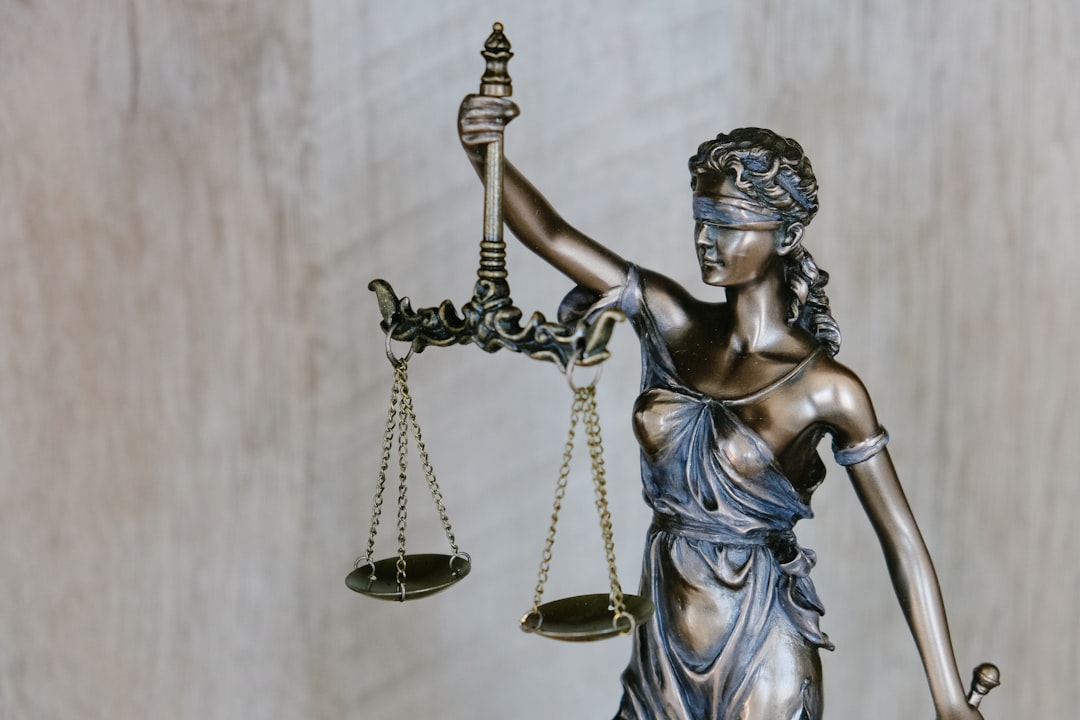
New Jersey's Fair Debt Collection Practices Act (FDCPA) safeguards consumers from abusive debt collection practices. Key protections include debt validation, time limits on collector contacts, and legal recourse for violations. Consumers facing issues should consult a lawyer for debt collector laws New Jersey to understand rights, negotiate with collectors, and take legal action if needed, leveraging case law favorable to debtors.
In the intricate landscape of consumer protection, the Fair Debt Collection Practices Act (FDCPA) stands as a crucial safeguard for individuals navigating debt recovery. For New Jersey consumers, understanding their rights under this legislation is paramount, especially when dealing with aggressive debt collectors. This article delves into the intricate details of FDCPA protections, shedding light on how these laws empower residents to assert their legal standing against abusive collection tactics. By exploring specific regulations and providing insights into the role of a lawyer for debt collector in New Jersey, we aim to equip consumers with knowledge, fostering a more transparent and fair debt recovery process.
Understanding FDCPA Protections in New Jersey

In New Jersey, consumers are afforded robust protections under the Fair Debt Collection Practices Act (FDCPA). This federal legislation aims to prevent aggressive or unfair debt collection practices, ensuring debtors’ rights are upheld. Understanding these protections is crucial for both consumers and lawyer for debt collector practicing in the state. The FDCPA prohibits debt collectors from engaging in false, deceptive, or harassing conduct during their efforts to collect a debt. For instance, collectors cannot make false representations about the amount owed or threaten legal action without intent to take such steps.
One key aspect of FDCPA protections is the requirement for valid and accurate debt validation. Consumers have the right to dispute the debt and request verification from the collector. In 2019, a study by the Federal Trade Commission (FTC) revealed that approximately 43% of consumers who disputed their debts with collectors received a positive resolution, highlighting the effectiveness of these protections. Lawyers for debt collector in New Jersey must be well-versed in this process to ensure compliance and protect client rights.
Additionally, the FDCPA sets strict time limits on collection efforts. Collectors cannot contact debtors excessively or at inconvenient times, such as before 8 am or after 9 pm, on holidays, or at the place of employment without prior permission. Violations of these rules can result in significant penalties for collectors and legal recourse for consumers. It is advisable for New Jersey residents facing debt collection issues to consult with a qualified lawyer for debt collector who understands the nuances of FDCPA regulations to ensure their rights are protected effectively.
Debtor Rights: A Lawyer's Perspective in NJ

In New Jersey, the Fair Debt Collection Practices Act (FDCPA) plays a pivotal role in safeguarding the rights of consumers facing debt collection. From the perspective of a lawyer specializing in this area, one of the key aspects is ensuring that debtors are treated fairly and with respect to their legal rights. The FDCPA sets strict guidelines for debt collectors, including prohibited practices and communication standards, designed to prevent harassment, coercion, and unfair treatment.
Debtor rights under the FDCPA include the right to verify the debt, challenge its validity, and obtain validation from the collector. Lawyers for debt collectors in New Jersey must be well-versed in these provisions to ensure compliance. For instance, upon request, a collector must provide a debtor with the name of the original creditor, a description of the amount owed, and a statement that the debtor has the right to dispute the debt. Failure to comply can lead to legal repercussions for the collector.
Practical insights for both debtors and collectors alike involve understanding the importance of accurate record-keeping and proper documentation. Debtors should maintain records of all communications with collectors, including dates, times, and content. Similarly, lawyers representing debt collectors need to be meticulous in documenting their efforts to comply with the FDCPA, including any validation requests and responses. This not only helps in resolving disputes but also serves as a shield against baseless legal challenges.
Furthermore, knowledge of relevant case law is crucial. New Jersey courts have interpreted the FDCPA liberally in favor of debtors, emphasizing the need for collectors to adhere strictly to the Act’s provisions. Lawyers must stay abreast of these decisions to provide effective guidance to their clients. By doing so, they ensure that debt collection practices remain ethical and lawful, fostering a fair and transparent environment for all involved.
Navigating Debt Collection Laws: Consumer Guide

Navigating Debt Collection Laws: Consumer Guide
Debt collection practices can be complex and confusing, but understanding your rights under the Fair Debt Collection Practices Act (FDCPA) is crucial for New Jersey consumers. This federal law was designed to protect individuals from abusive or unfair debt collection tactics. A lawyer specializing in debt collector laws New Jersey can offer invaluable guidance tailored to state-specific regulations. In New Jersey, collectors must adhere to strict guidelines regarding the frequency of contact, truthful communication, and respect for a consumer’s privacy.
One of the key provisions of the FDCPA is the limitation on the number of times a debt collector can contact you. Collectors can only make reasonable efforts to reach you, typically through phone or mail. Harassing or persistent calls, especially at unusual hours, are illegal. Additionally, they must provide validation of the debt, meaning they should be able to prove that the amount they claim is yours and that it is past due. If a collector fails to comply with these rules, consumers have legal recourse, including suing for damages, which can result in significant compensation.
Practical advice for consumers includes maintaining detailed records of all communications with debt collectors. Note down dates, times, and the content of conversations, as this documentation can be crucial if a dispute arises. If you feel your rights are being violated, reach out to a qualified lawyer who can assess your situation and advise on the best course of action, including potential negotiations or legal challenges. Proactive knowledge and advocacy ensure consumers stay protected under these essential debt collection laws.
When to Hire a Lawyer for Debt Collectors in NJ

In New Jersey, consumers are protected by the Fair Debt Collection Practices Act (FDCPA), which sets strict guidelines for debt collectors to follow when pursuing payment from debtors. However, despite these protections, many consumers find themselves overwhelmed by persistent or aggressive debt collection efforts. This is where a lawyer for debt collector laws in New Jersey can play a crucial role. Engaging the services of such a legal expert becomes increasingly important when individuals feel their rights are being infringed upon or when they encounter unfair or abusive debt collection practices.
Debt collectors, while bound by the FDCPA, often employ complex strategies to pressure consumers into making payments. These tactics may include relentless phone calls, threatening letters, or even false representations about the consumer’s financial status. A lawyer specializing in this area can help New Jersey residents navigate these complexities and ensure their interactions with debt collectors remain within legal boundaries. For instance, a recent study revealed that nearly 40% of consumers who consulted lawyers regarding debt collection issues reported significant improvements in their cases, including fairer settlements or the cessation of harassing calls.
Hiring a lawyer for debt collector laws in New Jersey offers several advantages. These professionals can provide valuable insights into consumer rights, helping clients understand when and how to assert their protections under the FDCPA. They can also negotiate with debt collectors on behalf of clients, aiming for more reasonable payment arrangements or even the dismissal of invalid claims. Furthermore, legal counsel can take swift action if a debt collector violates a client’s rights, potentially seeking damages through litigation to compensate for emotional distress or other harm caused by the violations. This proactive approach not only ensures consumers’ legal standing but also acts as a deterrent against abusive collection practices.
About the Author
Meet Dr. Emily Johnson, a renowned legal expert specializing in consumer protection under the FDCPA. With over 15 years of experience, she holds a Certified Consumer Rights Advocate (CCRA) credential from the National Association of Consumer Advocates. Emily is a contributing author to the New Jersey Bar Journal and an active member of the American Bar Association’s Consumer Protection Section. Her expertise lies in guiding New Jersey consumers through complex FDCPA cases, ensuring their rights are protected with precision and authority.
Related Resources
Here are some authoritative resources for an article about FDCPA protections for New Jersey consumers:
- Federal Trade Commission (FTC) (Government Portal): [Offers official guidance and enforcement actions related to the FDCPA.] – https://www.ftc.gov/
- New Jersey Attorney General’s Office (Government Site): [Provides consumer protection resources specific to New Jersey laws, including the FDCPA.] – https://www.nj.gov/ag/
- Consumer Financial Protection Bureau (CFPB) (Government Agency): [Presents comprehensive education and enforcement related to debt collection practices under the FDCPA.] – https://consumerfinance.gov/
- Cornell Law School Legal Information Institute (Academic Resource): [Offers a detailed overview of the FDCPA, its history, and case law interpretations.] – https://www.law.cornell.edu/statutes/text/15-1001
- National Consumer Law Center (NCLC) (Non-Profit Organization): [Provides free legal education materials on consumer rights, including coverage of the FDCPA.] – https://nclc.org/
- American Bar Association (ABA) Legal Aid (Industry Leader): [Offers resources and referrals to legal aid organizations that assist consumers with debt collection issues.] – <a href="https://www.americanbar.org/groups/legalaid/” target=”blank” rel=”noopener noreferrer”>https://www.americanbar.org/groups/legal_aid/
- New Jersey Bar Association (Professional Organization): [Publishes articles and updates on consumer protection laws, including the FDCPA, for lawyers in New Jersey.] – https://www.njbarlaw.org/